Wednesday, June 19, 2013

Natural Shade for Tomato Plants

If you like to grow tomatoes AND you live in the desert, then you know how important it is to shade your tomato plants during the summer months.

Most vegetable gardeners haul out 50% shade cloth, which does a great job at shading tomatoes and protecting them from intense desert sun.  

Personally, I don't particularly like how shade cloth looks.  As a horticulturist and landscape designer - I like gardens to look beautiful and that extends to vegetable gardens.

So instead of putting up shade cloth over my tomato plants this year, I decided to create natural shade for them.


My tomatoes are surrounded by giant sunflowers on their east, west and southern sides.  If you can only add sunflowers to one side, then choose the west side to protect them from the intense afternoon sun.


Throughout the day, they experience filtered shade.  My tomatoes look great without any signs of sunburn.

Sunflowers are easy to grow from seed and you can start planting them in March and continue throughout the summer.


Because sunflowers only live a few months, I have planted a second crop of sunflowers in between my existing sunflowers.  I will soon plant a third crop in order to provide shade all summer and into early fall for my tomatoes.

An added bonus to planting sunflowers is that they provide food and shelter for birds and you can enjoy their delicious sunflower seeds.


Another reason to use sunflowers instead of shade cloth for tomatoes is that sunflowers are a lot less expensive then shade cloth and are a wonderful free and sustainable 
solution.

How about you?  What do you use to shade your tomatoes?
Pin It

Tuesday, June 18, 2013

Neglected Herbs Lead to Beautiful Flowers...

I have a confession to make...

Sometimes I am a lazy gardener.  Are you shocked?  Will this revelation cause you to stop reading my blog?  

In my defense, I must say that life gets rather busy and at the end of a long day, I forgo the opportunity to do some needed garden maintenance.

However, my reluctance to perform needed maintenance has a rather beautiful benefit...


My herbs begin to flower in the absence of harvesting their leaves.

Now, I like growing herbs and harvest them so that I can use them both dried and fresh.

But, there are times that I don't get out to harvest the leaves.  When herbs are allowed to grow without harvesting the leaves - they begin to flower.

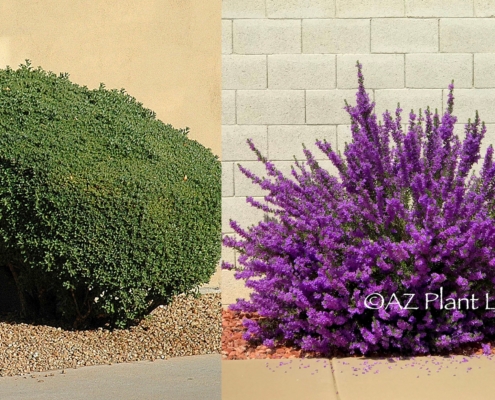
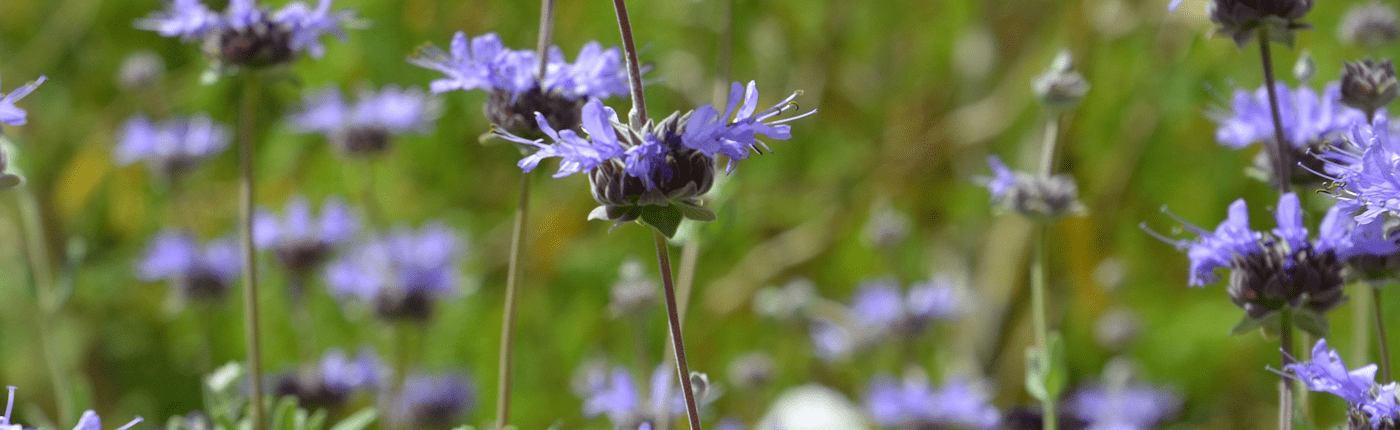
My sage (above) has beautiful purple flowers, don't you think?


Now, my green and purple basil plants are beginning to flower as well.

Herbs are best harvested before the begin to flower for the best taste.

So, what do you do when they start to flower?  Well, you have two options...

- You could let them flower for a couple of weeks and enjoy their beauty.

- Or you could prune them back severely and let the leaves grow back so you can harvest them.

What do you think I should do?

Pin It

Monday, June 17, 2013

A Harvest of Plums


Last Friday, my mother came over for dinner and brought with a box full of sweet, tart goodness...


Don't these plums look delicious?

There is a single plum tree on the family farm that is incredibly prolific.


Every year, I look forward to making jam ever since my mother taught me how 3 years ago.

I usually have enough jam to last our family an entire year plus more to give as gifts to teachers and friends over the Christmas holiday.


After my mother left that evening, I got right to work and made my first batch of plum jam.  

This time, I left the peels on the plums, which dissolve during the cooking process and create the beautiful 'plum' color.

Other years, I have peeled the plums by boiling them first for 40 seconds.  It is a rather tedious process, but some people prefer plum jam without the peels.

For me, I like to make things simple - so the peels stayed.

Every summer brings a wonderful fruit harvest.  First are the peaches followed by the plums.  In a couple of weeks, I will be busy with the apple harvest.  I got a new recipe for apple caramel jam that I can't wait to try out.

For more information on how to make your own jam, check out my post "A Harvest of Peaches and Jam".

**It may be hot outside, but there a lot growing in the garden.  Join me every day this week as I post what is happening in my garden.
Pin It

Saturday, June 15, 2013

How Much Water Do My Plants Need?

I am often asked this question as you might expect by those who live in the desert.


What you might be surprised to learn is that the majority of people overwater their plants, which costs money and some negative consequences for your plants.

When I was attending Arizona State University as a horticulture student, I did an internship with the Water Conservation Department for the City of Mesa, Arizona.

That experience opened my eyes to how many homeowners were overwatering their landscape plants thinking the 'more is better', especially in the desert.

Thankfully, there is wonderful information available for homeowners to help them figure out when and how much water their landscape needs.


I advise you to bookmark the link below, which will lead you to the Arizona Municipal Water User's Association website.  The link has all the information you will need to water properly.


*Of course, I could continue writing this post and tell you how and when to water, myself - but the information provided by AMWUA is interactive and written so well - I figure that you would rather learn from them instead :-)


**If you haven't already done this already - it is time to check your irrigation system for leaks.  My fellow blogger (& client) wrote a great post about how to do this - "Don't Forget the Routine Maintenance."

Pin It

Read My Newest Blog Post at Birds & Blooms

LinkWithin

Related Posts with Thumbnails